Window film is one of those silent heroes of home and office comfort. It works tirelessly behind the scenes, blocking UV rays, reducing heat, and preserving your indoor space. But like any protective layer, it doesn’t last forever. So, how do you know when to replace window film?
Whether you’re a homeowner in Cypress or a business owner in downtown Houston, recognizing the signs of deterioration can save you from higher energy bills, sun-damaged interiors, or reduced privacy. Let’s dive into the key indicators that it might be time to upgrade your window film, and how experts like Commercial Film Specialists can help.
What Is Window Film and How Long Does It Last?
Window film is a thin laminate installed on glass to enhance energy efficiency, security, and aesthetics. Common in both residential and commercial settings, it’s designed to last, but not indefinitely.
High-quality window films typically have a lifespan of 5 to 10 years, depending on:
- Film quality and brand
- Sun exposure (south- and west-facing windows degrade faster)
- Installation technique
- Environmental factors (heat, humidity, pollution)
Over time, natural window film wear and tear is inevitable. Let’s look at the most common signs that your film is past its prime.
Are you curious about whether window tinting is right for you? Discover who should consider residential window tinting.
Top 8 Warning Signs It’s Time to Replace Window Film
1. Bubbling, Peeling, or Blistering
If your film is lifting at the edges or you notice bubbling window film, the adhesive may have broken down. This is a classic sign of age, poor installation, or prolonged sun exposure.
Did you know? Adhesive breakdown can trap heat and moisture between the film and glass, accelerating damage.
2. Fading or Discoloration
Have you noticed your window tint shifting color, from clear to cloudy, or even purple? This happens when UV inhibitors degrade, leading to a visible drop in UV blocking effectiveness and overall aesthetics.
3. Cracking or Crazing
Small cracks (also known as crazing) occur when old film becomes brittle. This not only reduces clarity but also allows sunlight and heat to penetrate, compromising heat rejection capabilities.
4. Scratches or Tearing
From cleaning mishaps to pet-related damage, scratched window film loses both function and appeal. Unfortunately, scratches are not repairable and typically require full replacement.
5. Reduced Visibility or Distortion
If your once-clear view is now blurry or wavy, you’re dealing with reduced visibility tint. This distortion can affect comfort and even safety in commercial settings.
6. Interior Heat Increase
When window film loses its heat rejection effectiveness, you’ll feel it. Rising indoor temperatures, especially near sun-exposed windows, indicate your film is no longer performing.
For more insights on improving home efficiency, explore our post on how smart home automation and window film work together.
7. UV Damage to Interiors
If your furniture or flooring is fading despite having tint, your film may have lost its UV protection capabilities, a clear sign it’s time for a replacement.
8. Film Lifting or Edge Curling
Adhesive failure often starts at the corners or edges. If left unchecked, this opens your window to dirt and moisture, accelerating further breakdown.
Factors That Impact Film Lifespan
1. Film Quality Matters
Professional-grade films like those offered by 3M Certified installers like us, CFS outlast DIY films. We use advanced adhesives and coatings designed to resist film discoloration and UV degradation.
2. Installation Techniques
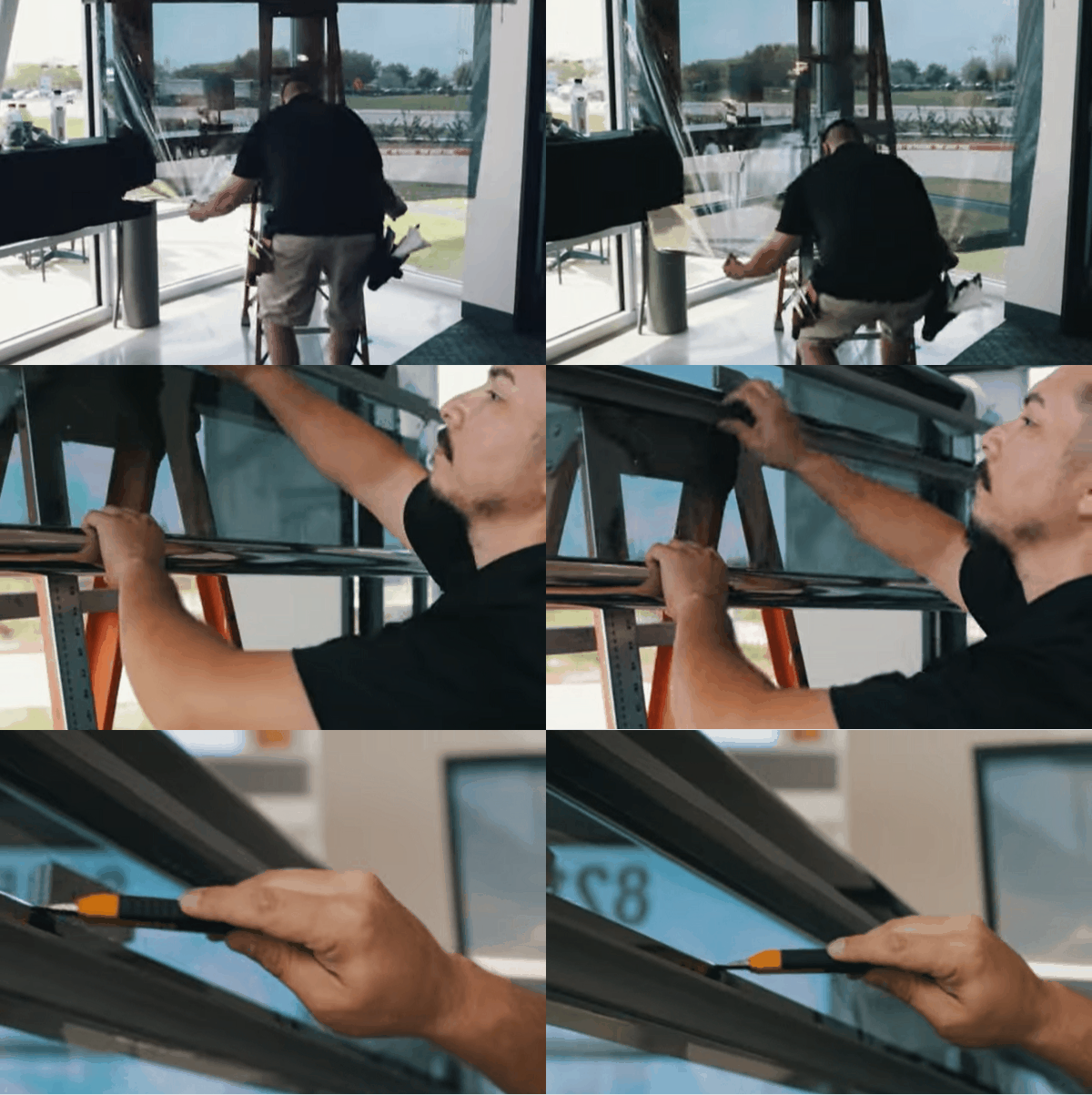
Poorly installed film won’t last. At Commercial Film Specialists, our team ensures perfect alignment and bonding, key to maximizing longevity.
3. Environmental Exposure
Houston’s intense sun, high humidity, and temperature swings can wear out lower-quality films quickly.
4. Maintenance and Care
Gentle cleaning with non-abrasive products helps preserve your film. Avoid sharp tools or ammonia-based cleaners.
Why You Shouldn’t Wait Until the Film Completely Fails
Window film doesn’t stop working overnight, it gradually loses effectiveness. But waiting until it completely fails can have real, costly consequences for both residential and commercial properties. What starts as a few minor bubbles or slight discoloration can quickly snowball into bigger issues.
Delaying window film replacement can result in:
- Higher cooling costs: As the film’s heat rejection capability weakens, your HVAC system has to work harder to maintain indoor comfort, especially during Texas summers. This leads to noticeably higher energy bills.
- Sun-damaged interiors: Once the UV protection fades, your flooring, furniture, artwork, and even electronics are exposed to harmful rays that cause irreversible fading and deterioration.
- Reduced privacy or glare control: Deteriorating film may appear patchy or uneven, diminishing privacy and letting in more sunlight than you bargained for, making screens harder to see and rooms uncomfortable to work or relax in.
- Aesthetic decline: Bubbles, cracks, and discoloration don’t just reduce performance,they look unprofessional and unkempt. This is particularly critical in high-visibility areas like storefronts, offices, or reception spaces.
Upgrading to a modern, high-performance film can instantly enhance curb appeal, improve interior comfort, and contribute to a more energy-efficient building. Want to learn more? Check out our guide on the benefits of commercial window tinting to see how a smart replacement can make a measurable difference for your workspace.
Don’t wait until problems become obvious. Proactive replacement ensures you continue to enjoy all the benefits of window film, without the stress, cost, or discomfort of waiting too long.
The Value of a Professional Inspection
Not sure if your window film is still performing at its best? You’re not alone. Many homeowners and business owners in Texas wait until visible signs of failure, like bubbling, discoloration, or peeling, appear before considering replacement. But often, the film’s performance begins to decline long before these obvious symptoms emerge.

That’s where a professional window film inspection becomes invaluable. An experienced technician can evaluate not just the visual condition of the film but also test for key performance indicators like UV blocking effectiveness, heat rejection capability, and optical clarity. This kind of assessment helps catch issues early, before they lead to higher energy costs or permanent interior damage.
At Commercial Film Specialists, our inspections go beyond surface-level observations. We take the time to understand your specific concerns, whether it’s reducing glare in your office, improving privacy at home, or cutting down on heat gain in sun-facing rooms. Then we offer tailored upgrade options, including energy-efficient solar films, decorative enhancements, and advanced security films, all backed by 3M certification and professional-grade installation.
Start with a free consultation to explore your options.
Conclusion: Don't Wait for Failure, Act on the Warning Signs
Recognizing the signs of worn or failing window film can help you protect your property, reduce energy costs, and maintain indoor comfort. Whether you’re looking to modernize your home’s appearance or increase efficiency and privacy in your office, replacing outdated film is a smart investment.
At Commercial Film Specialists, we proudly serve Houston, Cypress, The Woodlands, and surrounding areas with expert consultations, premium 3M window film products, and precision installation for both residential and commercial properties.
Ready to enhance your space?
Visit our homepage to learn more about our full range of services, or contact us today to schedule your free consultation. Let us help you find the perfect window film solution tailored to your needs.
FAQ: Common Holiday Window Tint Questions
Why does old window film start to fade or discolor?
Fading happens when UV inhibitors or dyes break down, reducing both performance and appearance.
Why does old film affect visibility?
Aging film may warp or cloud, leading to distortion and reduced visibility.
Why does window film bubble or peel?
This is usually caused by adhesive breakdown from prolonged sun exposure or poor installation.
Can I replace window film myself?
DIY kits exist, but for lasting results and warranty protection, professional installation is recommended.


Commercial Film Specialists
5.047 Google reviews
Window tinting service in Houston, Texas
Hours: Closed ⋅ Opens 9 AM